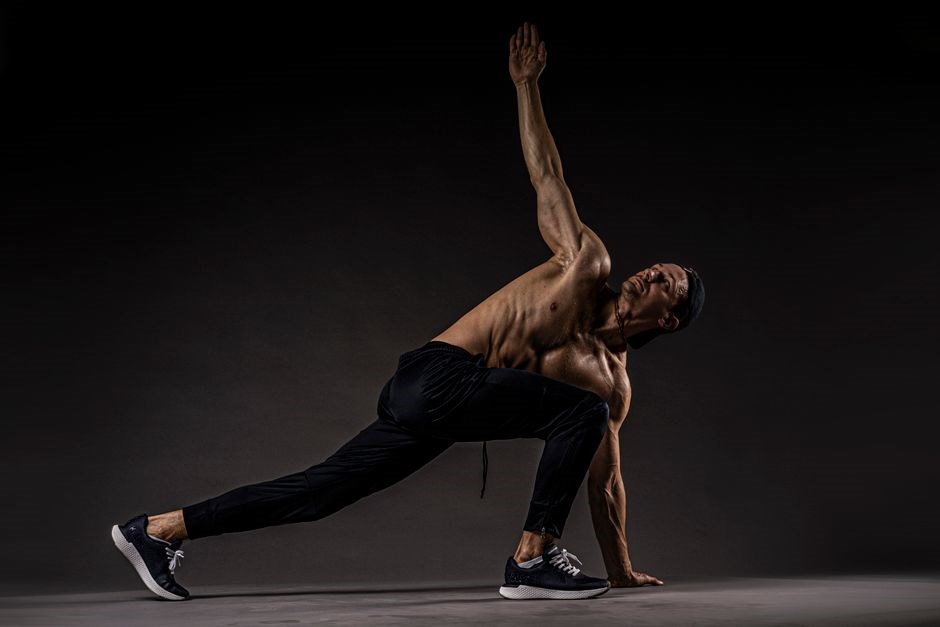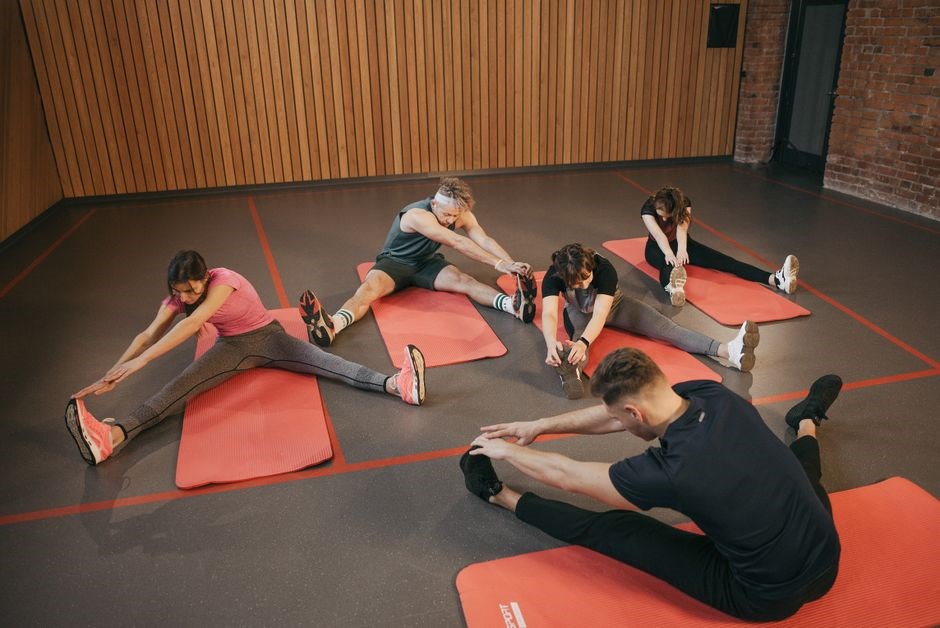
Discover how PNF stretching exercises, compiled in a downloadable PDF, can transform flexibility routines. This guide offers concise instructions, visual cues, and safety tips, enabling beginners and athletes alike to integrate effective PNF techniques into daily training. Ideal for both rehab and performance.
Purpose of the Plan
The purpose of this PNF stretching exercises PDF is to provide a structured, evidence‑based framework that athletes, physical therapists, and fitness enthusiasts can use to enhance joint mobility, reduce injury risk, and accelerate recovery. By integrating proprioceptive neuromuscular facilitation (PNF) principles into a clear, step‑by‑step routine, the plan aims to: 1) improve muscle elasticity and range of motion through active‑passive contraction–relaxation cycles; 2) strengthen the neuromuscular pathways that govern movement, thereby increasing proprioceptive awareness and coordination; 3) offer a scalable progression that can be tailored to beginners, intermediate, or advanced users; 4) provide safety guidelines, contraindications, and troubleshooting tips to prevent over‑stretching or strain; and 5) deliver downloadable PDF resources that include visual diagrams, muscle‑group focus charts, and printable checklists. The overarching goal is to empower readers to adopt PNF stretching as a sustainable, science‑backed component of their overall fitness or rehabilitation program, ensuring consistent gains in flexibility, performance, and well‑being. Moreover, the PDF includes a section on integrating PNF stretching into daily routines, offering quick 5‑minute sequences that can be performed before work or training sessions, ensuring consistent progress without compromising time. It lists contraindications suggestsand moves for joint limits.!
The PDF offers video demonstrations to reinforce proper form!!..now!!!!
Benefits
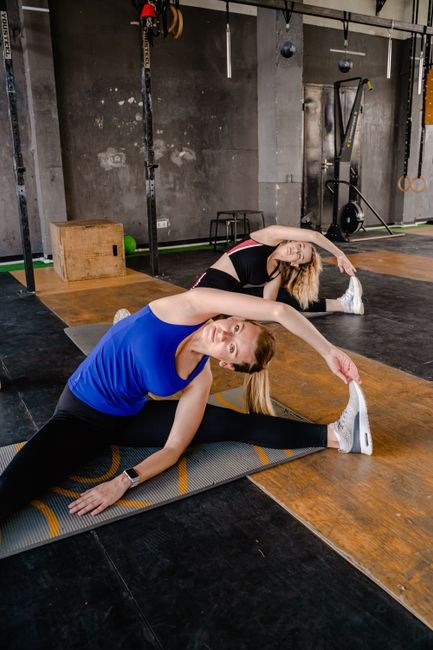
PNF stretching PDF unlocks faster flexibility, stronger core stability, reduced injury risk, and improved athletic performance. By targeting muscle‑tendon units, it enhances proprioception, joint mobility, and recovery speed for all users. Ideal for athletes, therapists fitness seekers.
Long-Term Mobility Gains
Consistent use of PNF stretching protocols, as outlined in a well‑structured PDF, delivers measurable improvements that persist over months and years. By actively engaging both agonist and antagonist muscle groups, the technique promotes a balanced increase in joint range, reduces stiffness, and encourages neuromuscular coordination. Over time, these adaptations translate into smoother, more fluid movement patterns, allowing athletes to perform at higher intensities with less fatigue and a lower risk of strain.
Beyond the immediate stretch response, the PDF’s step‑by‑step progression teaches proper breathing, tension release, and proprioceptive awareness. This holistic approach ensures that each session builds on the previous one, reinforcing neural pathways that support sustained flexibility. As the connective tissue remodels, it becomes more compliant, enabling deeper stretches without compromising joint integrity. The result is a durable increase in mobility that supports daily activities, enhances posture, and improves overall quality of life.
In rehabilitation settings, the PDF’s guided routines help patients regain pre‑injury mobility faster, reducing the likelihood of re‑injury and facilitating a quicker return to sport or work. Overall, the long‑term gains from PNF stretching are both functional and preventative, making it a valuable addition to any fitness or therapeutic regimen.
Regular practice also supports joint health, improves circulation, boosts confidence, making daily movement enjoyabledaily sustainable.
Understanding PNF
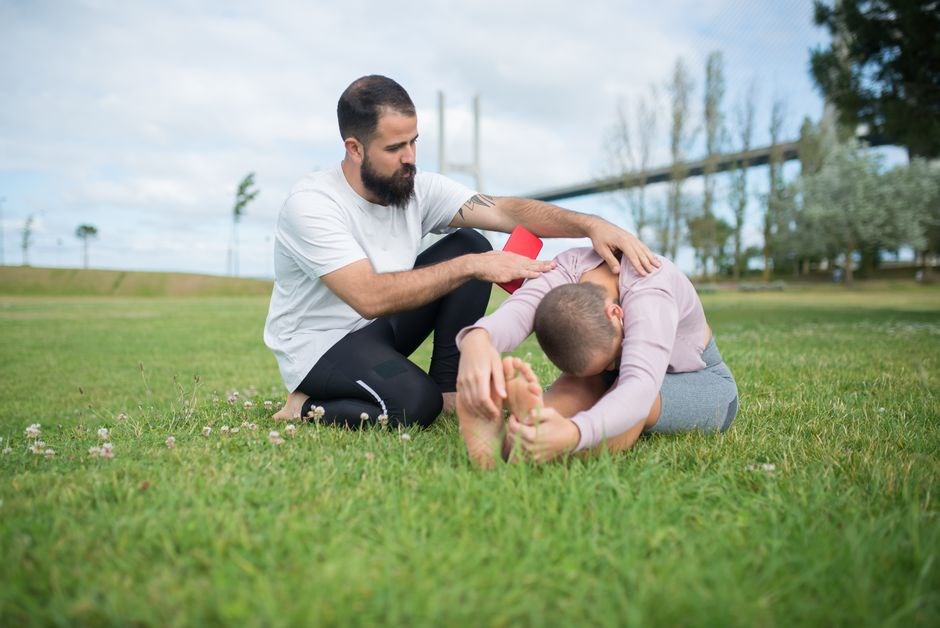
PNF, or proprioceptive neuromuscular facilitation, blends contraction and relaxation to stretch muscles. The PDF guides users through controlled tension, breathing, and partner cues, unlocking deeper range while enhancing neural control and joint stability. Enhances joint health.!
How PNF Works
PNF, or proprioceptive neuromuscular facilitation, is a sophisticated stretching methodology that harnesses the body’s own neural pathways to achieve greater flexibility. By engaging a muscle in a brief, controlled contraction followed by a period of relaxation, the technique exploits the stretch reflex and the Golgi tendon organ’s inhibitory feedback. This dual-phase process creates a state of heightened muscle tension that, when released, allows the muscle to lengthen beyond its usual passive limits. The PDF guide details step‑by‑step instructions for both the contract‑relax and hold‑relax variations, emphasizing proper breathing, partner assistance, and the importance of maintaining joint alignment throughout. It explains that the initial isometric contraction activates alpha‑motor neurons, increasing muscle spindle sensitivity, while the subsequent relaxation phase triggers the Golgi tendon organs to reduce tension, permitting a deeper stretch. Repeated cycles amplify the effect, improving range of motion, reducing stiffness, and enhancing proprioceptive awareness. The guide also highlights safety considerations, such as avoiding excessive force, monitoring for pain, and ensuring gradual progression. By integrating PNF into a routine, users can experience faster recovery, better performance, and a more resilient musculoskeletal system.
PNF also provides illustrative diagrams, timing cues, and a printable checklist, enabling users to track progress and maintain consistency across sessions. It guides users toward now progress.
Types of PNF Stretching
Explore contract‑relax and hold‑relax methods, each pairing a brief muscle contraction with a subsequent release. The PDF outlines partner cues, timing, and safety tips, enabling precise execution for improved flexibility and injury prevention. Use PDF for guided progress!!!
Contract-Relax Technique
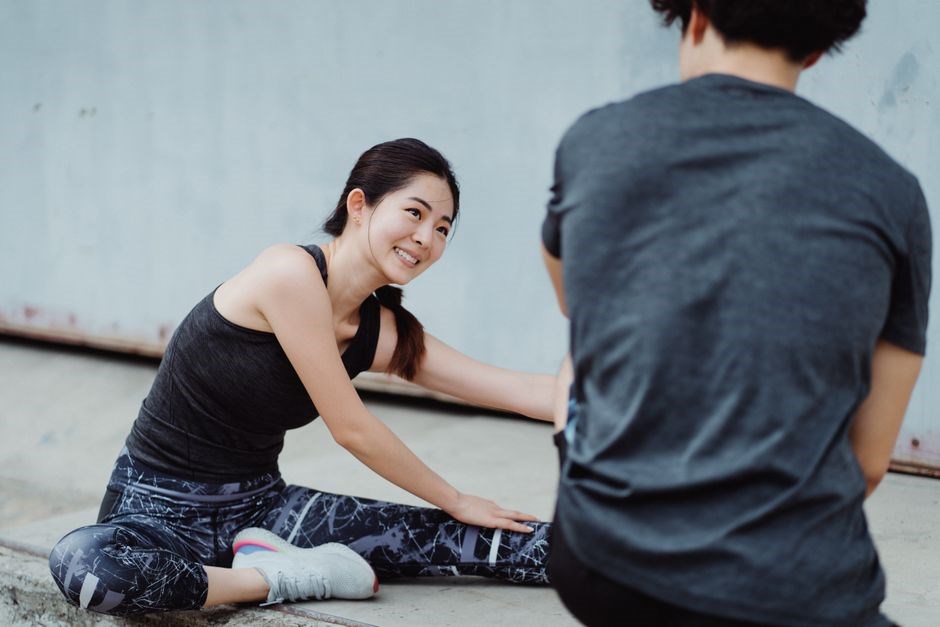
The contract‑relax method is a classic PNF sequence that harnesses the body’s intrinsic reflexes to deepen flexibility. Begin by positioning the limb in a comfortable, slightly overstretched posture. A trained partner or a sturdy support should apply gentle, controlled resistance to the joint while the subject actively contracts the target muscle group for 5–7 seconds. This is a concentric effort, engaging the muscle without moving the joint. After the contraction, the partner releases the tension, allowing the muscle to relax fully. The subject then passively stretches the muscle further for 15–30 seconds, taking advantage of the post‑contraction elongation. Repeating this cycle 2–3 times per muscle group maximizes gains while minimizing injury risk. Key points include maintaining a slow, steady rhythm, avoiding breath-holding, and ensuring the partner’s resistance is firm yet not painful. The contract‑relax technique is especially effective for improving joint range of motion in the hamstrings, quadriceps, and shoulder girdle, and it can be safely incorporated into warm‑up routines or rehabilitation protocols. Consistent practice, guided by a PDF protocol, allows athletes to track progress, adjust timing, and refine technique for optimal performance. By integrating the PDF guide into daily sessions, practitioners can monitor stretch duration, resistance levels, and progression metrics, ensuring each session builds on previous gains while preventing overexertion and maintaining optimal joint health and consistency!
PNF stretching exercises, compiled in a downloadable PDF, provide a structured roadmap for enhancing flexibility and joint mobility. This guide offers concise instructions, visual cues, and safety guidelines, enabling beginners and athletes alike to integrate effective PNF techniques into daily training. Ideal for both rehabilitation and performance improvement, the PDF format allows users to track progress, adjust resistance, and maintain consistency across sessions.

How to Use PDF Resources
Download the PDF, then open it with a reader that supports annotations. Use the printable version for offline practice, and the digital copy for interactive checklists. Bookmark key sections, adjust resistance levels, and track progress with the built‑in log. and review weekly.!

Download & Format Tips
When you first acquire the PNF stretching exercises PDF, follow these steps to ensure optimal use. First, confirm that your device’s PDF viewer is up‑to‑date; older versions may mis‑render page numbers or images. Next, choose a viewing mode that best suits your routine: the “single page” view for focused study, or the “continuous” mode for a quick scan of the entire program. If you prefer a tactile experience, print the document on thick, matte paper to reduce glare and improve grip during practice. For digital use, enable the “night mode” or “dark theme” to lessen eye strain during evening sessions. Many readers allow you to annotate directly on the PDF; use the highlighter tool to mark key stretches, and the sticky‑note feature to jot personal notes such as resistance levels or time limits. If you plan to share the file, consider converting it to a PDF‑X format to preserve layout across different operating systems. Finally, keep a backup copy in cloud storage (Google Drive, OneDrive, or Dropbox) so you can access the guide from any device, whether at home, the gym, or on the road. By following these download and formatting guidelines, you’ll have a reliable, user‑friendly resource that supports consistent progress in your PNF training. To maximize results, schedule sessions twice weekly, allowing 24–48 hours for muscle recovery between stretches. Consistency will gradually increase joint range, reduce injury risk, and enhance athletic performance. Remember to breathe deeply and maintain proper posture throughout each movement. consistent daily.!
Step-by-Step Routine
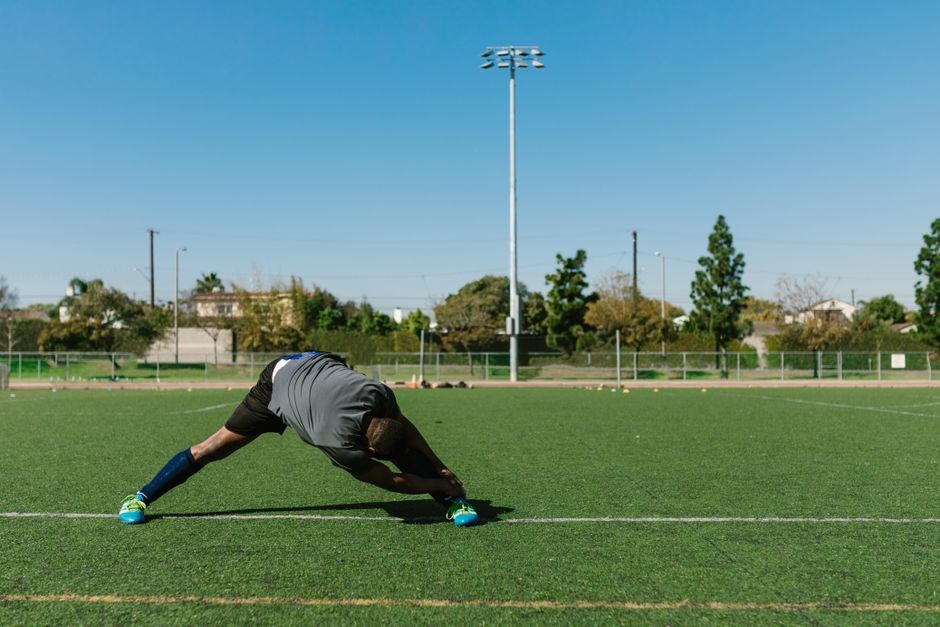
Begin with a 5‑minute light cardio warm‑up. Then perform 4 PNF stretches: hamstring, quadriceps, calf, and shoulder. For each, contract for 5 s, relax 10 s, repeat 3 times. Finish with gentle breathing and a 2‑minute cool‑down. Repeat twice weekly. Ensure proper form to avoid strain. and stay hydrated.!!
Warm-Up and Main Exercises
Before diving into PNF stretches, a warm‑up primes the nervous system and increases blood flow. Start with 5–7 minutes of low‑intensity cardio—jogging, cycling, or brisk walking—followed by dynamic leg swings, arm circles, and hip circles. Each motion should be controlled, avoid abrupt jerks, and last 10–15 repetitions. This phase elevates core temperature, enhances tendon elasticity, and reduces injury risk during the main PNF routine.
The main routine targets hamstrings, quadriceps, calves, and shoulders. Perform a contract‑relax sequence: 1) Position limb at end of range, 2) Contract target muscle 5 s, 3) Release and stretch 10–15 s, 4) Repeat three times. Use partner or band for counter‑pressure. Finish with static stretch to consolidate gains. Consistency, breathing, progression essential for flexibility.
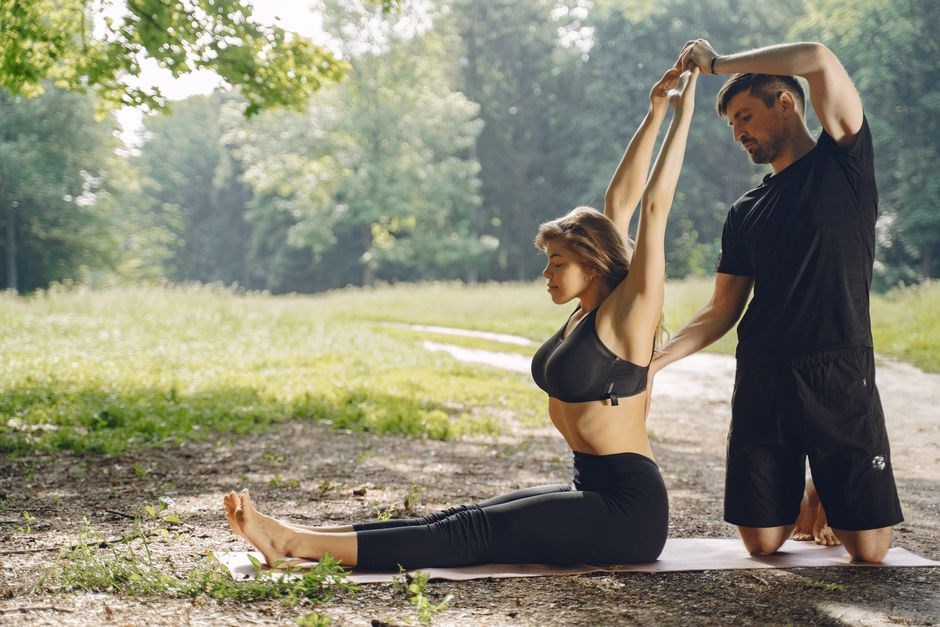
Progression: Start with 3 sets of 5‑second contractions, gradually increase to 8 s. Rest 2 min between groups. Foam roller post‑stretch aids myofascial release, especially calves and hamstrings. Monitor angles with mirror or video. If pain, reduce intensity or consult professional.
Documentation: Log training in PDF template—date, group, contraction duration, effort,discomfort. Review weekly to adjust intensity or add stretches. Pair guide with diagrams to reinforce technique. Consistency over weeks yields significant flexibility gains. Stay hydrated throughout.

Advanced Techniques
Explore trigger‑point release and myofascial foam rolling to complement PNF. Integrate deep‑pressure compressions, dynamic reciprocal inhibition, and proprioceptive neuromuscular facilitation with active contraction cycles. Track progress with PDF logs. Apply for peak results now
Trigger Point and Myofascial Release
Incorporating trigger‑point therapy and myofascial release into a PNF‑focused PDF guide enhances muscle elasticity and reduces pain. Begin by identifying tight knots through palpation or a guided self‑assessment tool provided in the document. Once located, apply sustained pressure—using a tennis ball, foam roller, or a specialized trigger‑point stick—while the muscle remains in a relaxed state.
Combine this with the contract‑relax technique: contract the target muscle for 5–10 seconds, then release and allow the pressure device to glide over the area for 30–60 seconds. This dual action promotes blood flow, breaks adhesions, and increases range of motion. The PDF includes step‑by‑step screenshots, recommended pressure levels, and timing charts to ensure safe application.
For deeper fascia, use myofascial release strokes that move from proximal to distal. The guide explains how to adjust force based on tissue density, and how to incorporate breathing cues to maximize relaxation. A section on contraindications—such as acute inflammation or recent surgery—helps users avoid injury.
Track progress with the built‑in log sheets: record pain scores, ROM measurements, and subjective comfort before and after each session. The PDF also offers a troubleshooting FAQ and links to video demonstrations for visual learners. By integrating trigger‑point and myofascial techniques, practitioners can achieve faster recovery, improved performance, and lasting flexibility gains.
Use the PDF’s interactive checklists to monitor tension levels and adjust technique intensity