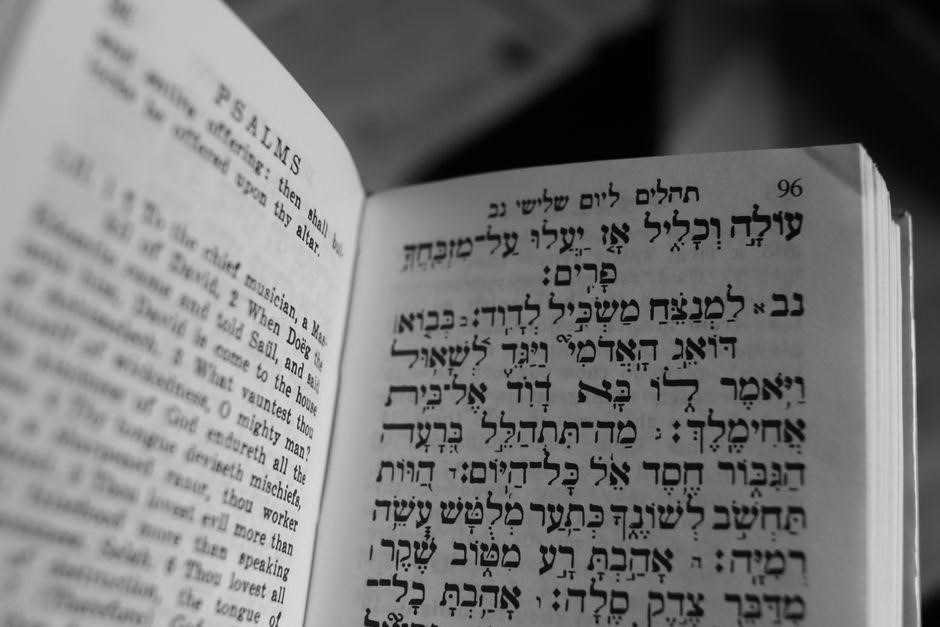
The Divine Liturgy‚ meaning “work of the people‚” blends Greek and English. St. John’s PDF guides worshippers‚ showing which hymns and prayers appear in each language‚ fostering inclusive participation for all daily
Definition and Origins
The term “Liturgy” derives from the Greek words leitos (“people”) and ergon (“work”)‚ literally meaning “the work of the people.” In Orthodox practice it is not a solo performance by clergy or choir; rather‚ it is a act where the priest offers petitions and the congregation responds with prayers‚ hymns‚ and chants. The choir traditionally leads the common responses and specific hymns such as the Apolytikion and Kontakion. The PDF from St. John’s Church delineates which portions of the service are rendered in Greek‚ which in English‚ and where phonetic transcriptions appear‚ thereby guiding worshippers to participate fully in the liturgy. This bilingual format reflects the historical evolution of the service‚ accommodating both faithful and those more comfortable with English while preserving the integrity of the rite. The document also explains how the choir’s role has expanded to include the chanting of both Greek and English hymns‚ ensuring that the nature of the liturgy remains central. By providing clear instructions and translations‚ the PDF helps congregants understand the origins and structure of the Divine Liturgy‚ fostering a deeper connection to the sacred tradition daily.
Significance in Orthodox Worship
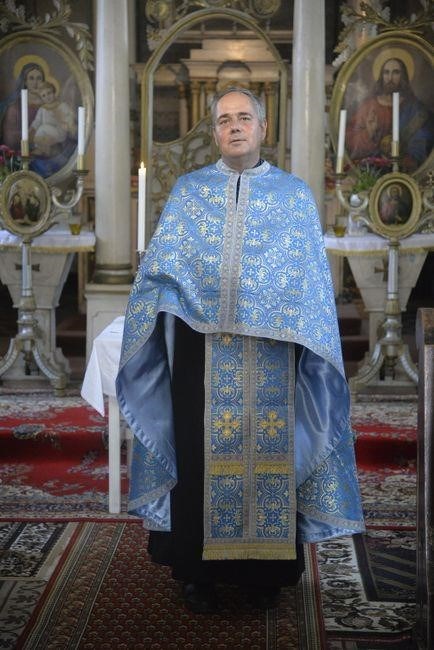
The Divine Liturgy is the heart of Orthodox worship‚ embodying the communal “work of the people.” In the St. John’s PDF‚ the bilingual layout demonstrates how Greek and English coexist‚ allowing faithful to participate in the full rhythm of the rite. The priest’s petitions‚ the choir’s chants‚ and the congregation’s responses intertwine‚ creating a living dialogue with God. The PDF’s clear delineation of which hymns are sung in Greek‚ which in English‚ and where phonetic transcriptions appear‚ ensures that every attendee can follow the service and feel spiritually nourished. This inclusive approach reflects the Church’s mission to preserve ancient tradition while meeting contemporary linguistic needs‚ thereby strengthening communal identity and devotion. Participants can also use the PDF to preview the order of hymns‚ allowing them to prepare mentally for the chants. The bilingual format encourages learning of Greek phrases‚ fostering deeper immersion and a sense of belonging within the liturgical community. It also aids in teaching new members. It supports all ages in worship.
Structure of the Divine Liturgy
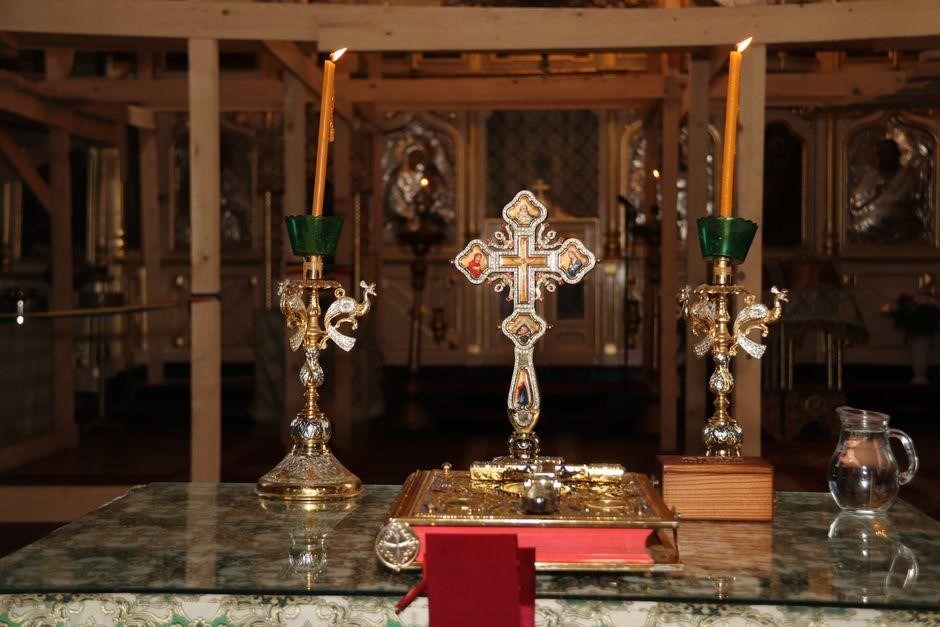
Structure: The Liturgy opens with the Great Litany‚ followed by the Prokeimenon‚ Hymn of the Day‚ and the Eucharistic Prayer. The PDF lists Greek verses‚ phonetics‚ and English translations‚ guiding through daily segment.
Opening Prayers and Liturgical Cycle
The opening segment of the Divine Liturgy‚ as detailed in the St. John’s bilingual PDF‚ begins with the Great Litany‚ a series of petitions that invite the congregation into prayer. Following the Litany‚ the Prokeimenon—an excerpt from the Psalter—sets the tone‚ presented in Greek with phonetic transcription and an English translation. The Hymn of the Day‚ or Apolytikion‚ then follows‚ reflecting the feast or season‚ and is offered in both languages‚ with Greek text‚ phonetics‚ and full English rendering. This tri‑language approach ensures that every worshipper can participate actively‚ whether they read Greek‚ listen to phonetics‚ or follow the English translation. The Prokeimenon is presented in Greek text‚ followed by its phonetic transcription in brackets‚ and the English translation below. The Hymn of the Day is offered in both languages side by side‚ allowing the faithful to choose their preferred mode of participation; The cyclical structure is shown by a table indicating which hymns change each month according to the liturgical calendar now. The PDF guides the faithful each section‚ ensuring participation today daily
Main Body: Eucharistic Elements
The central portion of the Divine Liturgy‚ as outlined in the St. John’s bilingual PDF‚ focuses on the Eucharistic celebration. It begins with the Prothesis‚ where the bread and wine are prepared‚ followed by the Anaphora‚ the Eucharistic prayer‚ presented in Greek text‚ phonetic transcription‚ and full English translation. The priest recites the Sanctus‚ the Agios‚ and the Great Doxology‚ each rendered in both languages. After the consecration‚ the Lord’s Prayer is offered‚ with the Greek wording and its English counterpart side by side. The faithful are invited to respond in the Greek “Kyrie” and the English “Lord‚ have mercy.” The Communion rite follows‚ with the priest distributing the Eucharist‚ and the congregation receives the Body and Blood of Christ‚ reciting the Greek “Eucharist” and the English “We thank you‚ Lord.” The PDF includes a table of hymns for each season‚ indicating which are sung in Greek‚ English‚ or both‚ ensuring that every participant can engage fully in the sacrament. Together‚ we celebrate in unity. and love. for all.!!.
Closing Prayers and Blessings
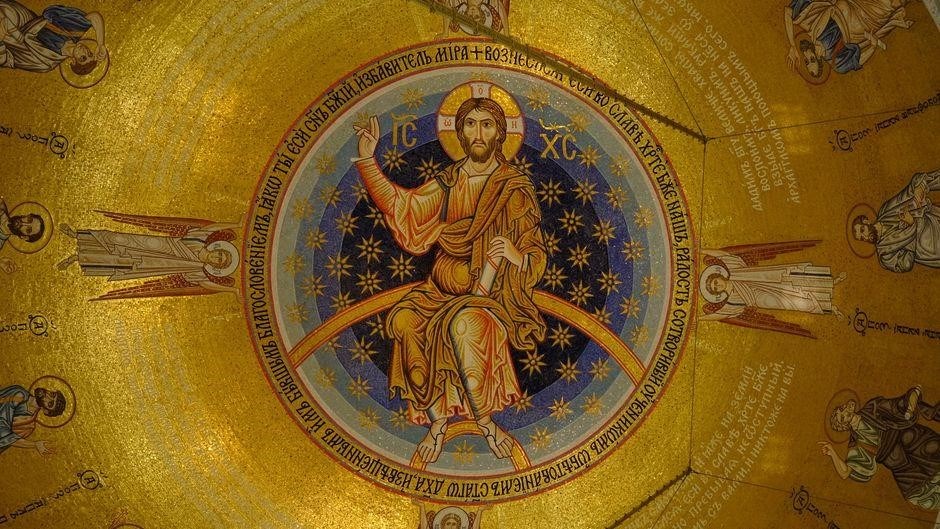
After the final Communion‚ the priest leads the faithful in the concluding prayers‚ presented in the bilingual PDF with Greek text‚ phonetic transcription‚ and full English translation. The first closing prayer is the “Apostolion‚” a short hymn in Greek followed immediately by its English rendering‚ “We thank the Lord for your love.” The final blessing‚ the “Benediction‚” is pronounced in Greek‚ with the English “May the Lord bless you‚ keep you‚ and guide you in all your ways.”
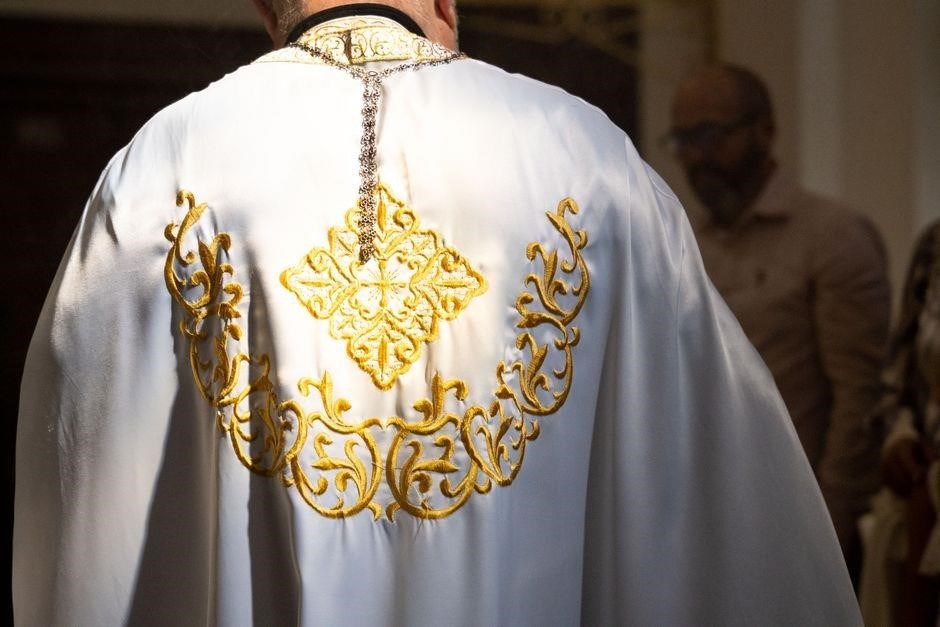
The closing hymn “The Lord is my light” is sung in Greek‚ with the English translation “The Lord is my light‚ my salvation.” The faithful leave the sanctuary with the words of blessing echoing in both tongues‚ reminding everyone of the unity of the Church and the shared faith that transcends language barriers. The PDF also offers a short guide on how to repeat the closing prayers at home‚ encouraging personal devotion and continued participation in the liturgical life of the community.
Participants are encouraged to repeat the hymns and prayers at home‚ fostering a personal connection to the liturgy and growthdail!!
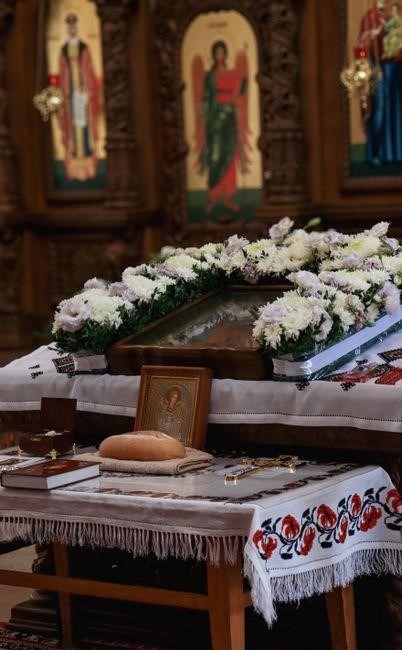
Bilingual Presentation in Greek and English
The PDF presents each liturgical element in Greek with phonetic transcription‚ followed by the English translation. This dual format allows worshippers to follow along‚ understand‚ and participate fully in the service. Can read both sides together.
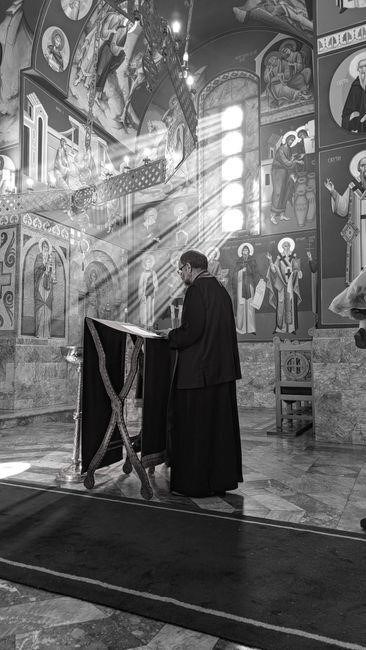
Greek Texts and Phonetic Transcriptions
In the PDF‚ every Greek phrase is followed by a phonetic rendering that mirrors the original pronunciation. For example‚ the opening “Χαῖρε‚ Ἀγία Πνεῦμα” is presented as “Chaire‚ Agia Pnevma.” This approach allows English‑speaking attendees to chant the same words with correct accentuation‚ while also providing the literal English meaning in parentheses for deeper understanding. The layout places the Greek line‚ the phonetic line‚ and the English translation in a vertical stack‚ ensuring that the flow of the liturgy remains uninterrupted. Attendees can read the Greek‚ hear the phonetic cues‚ and then see the English equivalent‚ creating a seamless bilingual experience that honors tradition and accessibility. The PDF also includes a glossary of key terms‚ a brief history of the liturgical rites‚ and a section on how to use the phonetic guide during live services. This resource is designed to help seasoned worshippers and newcomers to feel confident in following the flow of the Divine Liturgy‚ ensuring that the sacred words resonate across language barriers. Additionally‚ the PDF offers a guide on how to pronounce difficult Greek words‚ complete with audio links for practice‚ making the liturgy more accessible!—joyful us
English Translations and Hymn Choices
In the official PDF from St. John’s Church‚ the English translation section matches the Greek hymns while preserving theological nuance. The document lists each hymn—such as the Apolytikion‚ Kontakion—alongside its English counterpart‚ ensuring that congregants can follow the text in real time. Hymn choices are not arbitrary; they reflect the liturgical calendar‚ with specific English verses selected for feast days‚ saints’ commemorations. The PDF also indicates which hymns are performed in English‚ which are rendered in Greek with phonetic transliteration‚ and which are offered in both languages. This dual‑language approach allows worshippers to participate fully‚ whether they prefer Greek or English translation. Additionally‚ the PDF provides commentary on each hymn’s historical context and theological significance‚ enabling deeper engagement. For those who wish to study further‚ the document links to online resources and audio recordings of the hymns‚ offering a comprehensive tool for clergy and laity to enrich their liturgical experience.
Praise!
Mixed Language Sections and Practice Guidelines
In the PDF‚ mixed‑language portions are clearly marked. When a hymn or prayer is offered in both Greek and English‚ the Greek text appears first‚ followed immediately by the English translation‚ without parentheses. This format allows the congregation to hear the original language while understanding the meaning in real time. For sections that are exclusively in English‚ the PDF lists them in bold to distinguish them from Greek passages. The practice guidelines advise that clergy read the Greek aloud‚ then provide the English translation‚ ensuring that even non‑Greek speakers can participate actively. The document also suggests that choir members alternate between Greek and English verses‚ maintaining a rhythm that reflects the dual heritage of the liturgy. Additionally‚ the PDF includes a note on pronunciation‚ offering cues for Greek words to aid English‑speaking worshippers. By following these guidelines‚ the service becomes a living bridge between tradition and accessibility‚ inviting all attendees to engage deeply with the sacred text.
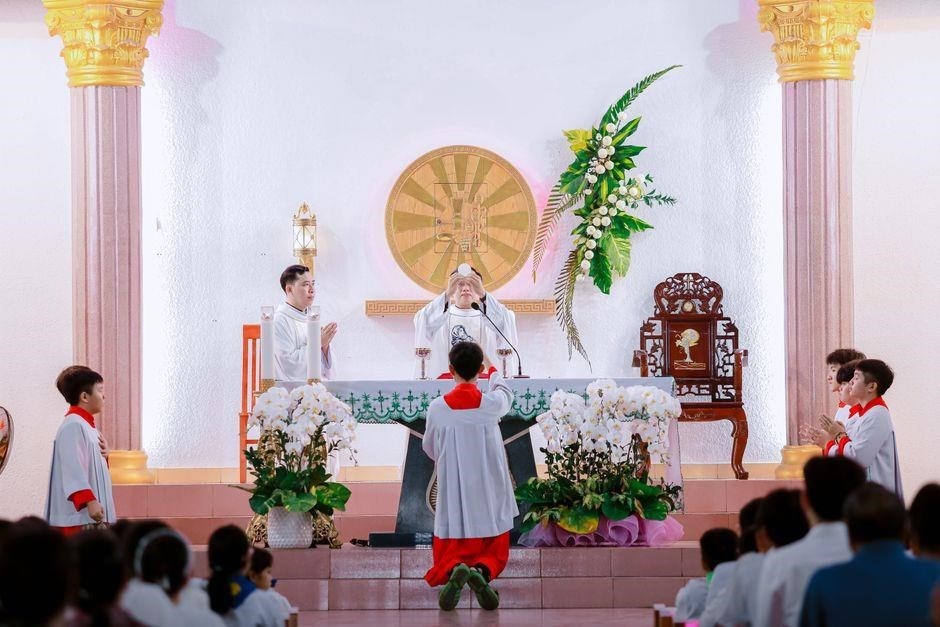
Resources: PDF Versions and Accessibility
St. John’s PDF offers bilingual text and phonetics. Online collections provide regional variations. Use PDF annotations to mark prayers‚ enhancing accessibility for all participants and families‚ enriching worship.!
Official PDF from St. John’s Church
St. John’s Church provides a comprehensive PDF of the Divine Liturgy that seamlessly integrates Greek and English text. The document‚ downloadable from the church’s official website‚ features liturgical texts‚ phonetic transcriptions‚ and English translations side‑by‑side. Each section is clearly labeled‚ indicating whether the prayers and hymns are rendered in Greek‚ English‚ or both. The PDF also includes helpful annotations that explain the order of the service‚ the significance of specific hymns‚ and the role of the congregation in the liturgy. For those attending in person‚ the PDF can be printed or viewed on a tablet‚ allowing worshippers to follow along in real time. The file is optimized for accessibility‚ with selectable text and a clean layout that supports screen readers. Additionally‚ the PDF contains hyperlinks to related resources‚ such as audio recordings of chants and a glossary of key terms. By providing a single‚ authoritative source‚ St. John’s Church ensures that parishioners can participate fully‚ regardless of language proficiency or prior familiarity with the liturgical tradition. The PDF offers agenda and a guide to the liturgical calendar‚ day ensuring worship experience.
Other Online PDF Collections
Numerous online repositories host Greek‑English liturgical PDFs‚ offering free access to parishioners worldwide. The Orthodox Church in America (OCA) portal hosts a curated library of liturgical books‚ each annotated with language notes and phonetic guides. The Greek Orthodox Archdiocese of America provides downloadable “Divine Liturgy” volumes‚ mirroring St. John’s format‚ with dual‑language sections and explanatory footnotes. The St. Petersburg Greek Orthodox Diocese hosts a searchable archive of PDF liturgies‚ complete with audio links for hymns. Additionally‚ the “Orthodox Liturgical Resources” website aggregates PDFs from multiple dioceses‚ allowing users to filter by language‚ rite‚ or season. For academic use‚ the Vatican Library’s digital collection includes rare manuscripts that have been digitized and transcribed in both Greek and English. All these resources are freely accessible‚ often requiring only a simple email registration or a short download link. Users should verify the authenticity of each PDF‚ ensuring it reflects the text and follows and revisions.
How to Use PDFs for Participation
To engage with the Divine Liturgy‚ download the PDF from a source such as St. John’s Church or the OCA portal. Open the file on a computer or tablet and print the sections that match the daily current service. For Greek‑English PDFs‚ the Greek text is in the left column with phonetic transcription‚ while the English translation appears on the right or below. Mark the hymns and petitions you wish to follow by circling or highlighting them. During the service‚ keep the PDF open on a screen visible to the congregation; churches allow a small monitor or projected screen. If you prefer a printed copy‚ place it on a stand near the altar or in the choir loft so the choir and clergy can reference it. For those who cannot attend in person‚ the PDF can be used to follow a live stream or recorded service‚ allowing you to sing along or pray silentlyfor all today
and Practical Tips
The PDF guides participation‚ blending Greek and English. Use it to follow hymns‚ prayers‚ and responses. Print or view on screen‚ note language sections‚ and practice with choir for deeper worship and prayerful reflection
Preparing for the Liturgy
Before attending‚ download the official PDF from St. John’s Church‚ dated March 2020. Print a copy or open it on a tablet for easy reference. The document clearly marks which parts are in Greek‚ which are in English‚ and where both languages appear together. Pay special attention to the “Greek with phonetic transcription” sections; the parentheses contain the literal meaning‚ while the Greek text itself is the liturgical standard. When the PDF lists a hymn in both languages‚ read the Greek first‚ then the English translation‚ to stay in rhythm with the choir. Familiarize yourself with key terms such as “Apolytikion” (the hymn of the day) and “Kontakion” (the seasonal hymn). Practice chanting the short responses in Greek‚ as the choir will lead them‚ and then repeat the English version. If you have a Greek-speaking‚ ask them to guide you. Finally‚ review closing blessings‚ noting Greek wording and a English paraphrase. By preparing in this way‚ you will feel confident‚ connected‚ and ready to join the faithful in worship now.
Engaging the Congregation
Mark key hymns with bold fonts or color codes for cues. During breaks‚ circulate printed excerpts for groups to discuss Greek phrases. Invite elders to lead a reflection in languages‚ reinforcing nature of rite. This engagement ensures that even first‑time attendees feel welcomed and worshippers deepen their understanding everyday.
Future Developments in Digital Liturgy
Digital liturgy is evolving through interactive PDFs‚ live streaming‚ and multilingual overlays. The St. John’s PDF model demonstrates how Greek and English can coexist‚ and future iterations may integrate real‑time translation widgets‚ QR‑code access to hymnals‚ and augmented‑reality icons that animate during the Eucharistic procession. Virtual reality pods could allow remote parishioners to “stand” beside the altar‚ hearing the choir’s chant in spatial audio. AI‑powered chatbots could answer theological questions on the fly‚ guiding newcomers through the liturgical calendar. Accessibility will expand with voice‑over narration‚ adjustable font sizes‚ and color‑contrast modes for visually impaired attendees. Moreover‚ blockchain‑based authentication could verify the authenticity of digital manuscripts‚ ensuring that every copy of the Liturgy remains faithful to canonical texts. As churches adopt these tools‚ the sense of communal worship will deepen‚ bridging geographic divides while preserving the sacred rhythm of the Divine Liturgy. Such innovation invites all to participate‚ regardless distance.